COUNSELORS & STAFF
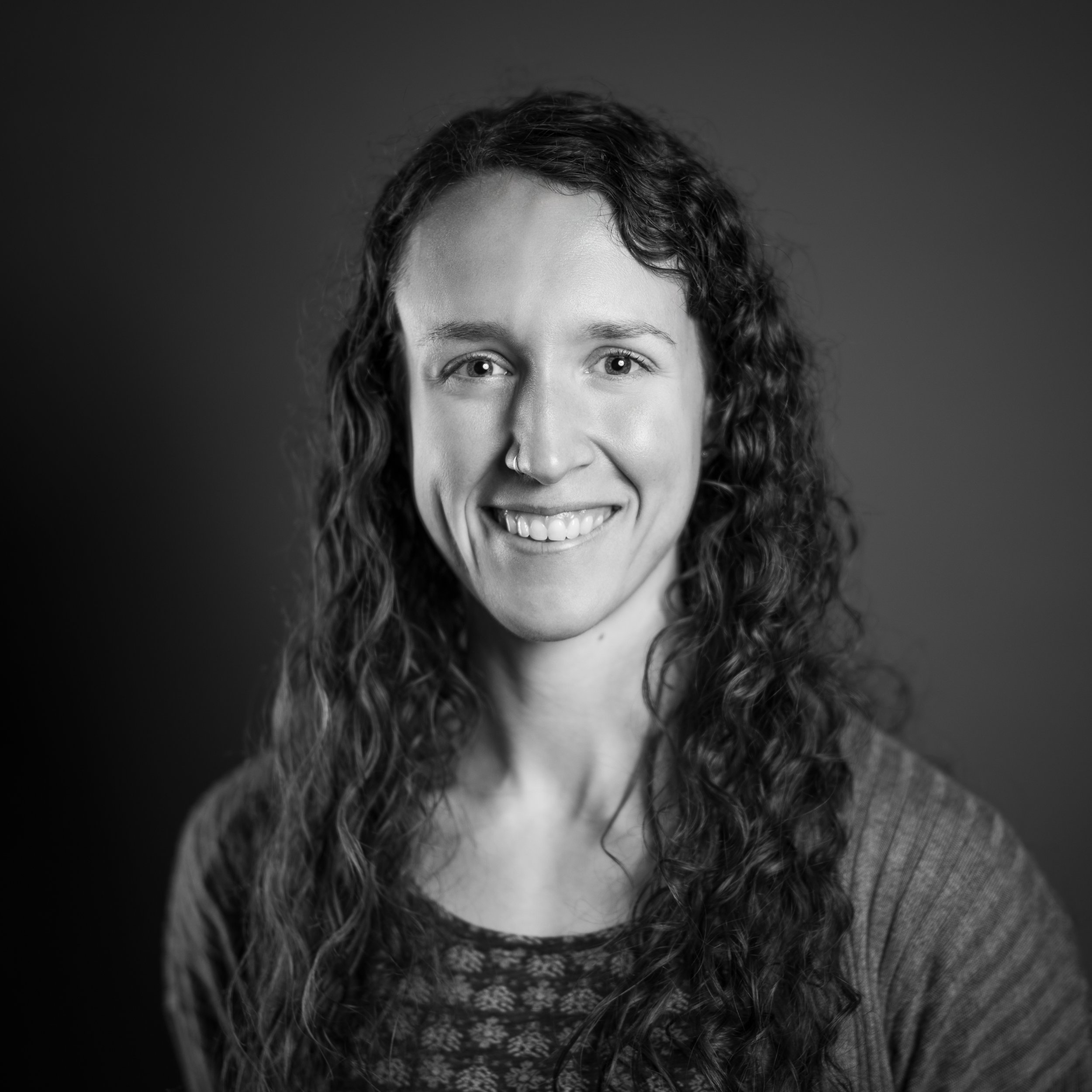
Caylin Eide, ACMHC
Caylin Eide, ACMHC
Salt Lake/Millcreek
Ages and populations Served:
Adults
Adolescents
Parents (especially parents of teens)
Couples
LGBTQ+
Athletes
Specialties:
Identity Formation
Relationship Issues
Anxiety & Depression
Life Transitions
Religion & Spirituality
Injuries & Chronic Illness
Body Image
Dissociative Disorders
Types of therapy:
Internal Family Systems (IFS)
Brain-Spotting
Acceptance and Commitment Therapy (ACT)
Somatic and Mindfulness Approaches
Solutions-Focused Therapy
Before becoming a therapist, I was a wilderness guide and outdoor educator for years. My experiences leading in nature revealed my passion for facilitating healing by connecting people with their environments and communities.
My personal mental health journey was forced - I had injuries and pain not explained by medical causes. I began to realize that I had been trying to overcome and bypass the cues my body was giving me, creating a battle with myself. I’ve learned that to be healthy, strong, to do the sports I love, I needed to mend and attend to the relationship between mind and body. As a result, my therapeutic focus is on integration and somatic work. I emphasize repairing the damage we often do to ourselves as a result of frustration and what feels like betrayal from our bodies.
I believe in the innate human capacity to change, grow, and heal. Mental, emotional, and spiritual pain is no different. The way out is through, and we become stronger in the process.
Maybe you’ve tried therapy before and been frustrated. Maybe you’re discouraged that you cannot seem to shake that thing you’ve carried for years. I want you to know that I see you. I understand trying to solve things yourself and failing. Asking for help is not weak, but extremely brave.
There is great power in naming who you are and the strengths you possess. That is what therapy looks like with me. I will help you find yourself: the you that has been lost due to pain, trauma, or as a necessity for survival.
I take an eclectic, integrated therapeutic approach that reconnects mind, body, and spirit, allowing for holistic wellbeing. I base my work in IFS, Brain-Spotting, and somatic experiencing, but also pull from CBT, EFT, ACT, solution-focused therapy, client strengths, and other mindfulness practices. If talk therapy does not work for you, we will take a somatic focus, because your body knows what your brain may be unable to verbalize.
Healing takes time and effort. And, you already possess the tools and abilities you need to heal. My job is simply to help you access them. I look forward to partnering with you, should you choose to undertake this journey.
Caylin’s FAQ’s
-
Brain spotting was discovered through EMDR. It is a “bottom-up” therapy, meaning it dives beneath the conscious, thinking brain (neo-cortex), to directly access the midbrain (subcortex) where emotion, memory, and trauma are stored. The process is largely
somatic (body-focused), rather than verbal, and uses the visual field as the access point to stored pain. The goal is to leverage your brain’s natural tendency toward health and homeostasis to heal itself through a process of focused mindfulness. Many people find that brain-spotting is more efficient than talk therapy and helps them express and heal issues they were previously unable to pinpoint.
To learn more about brain spotting, click here.